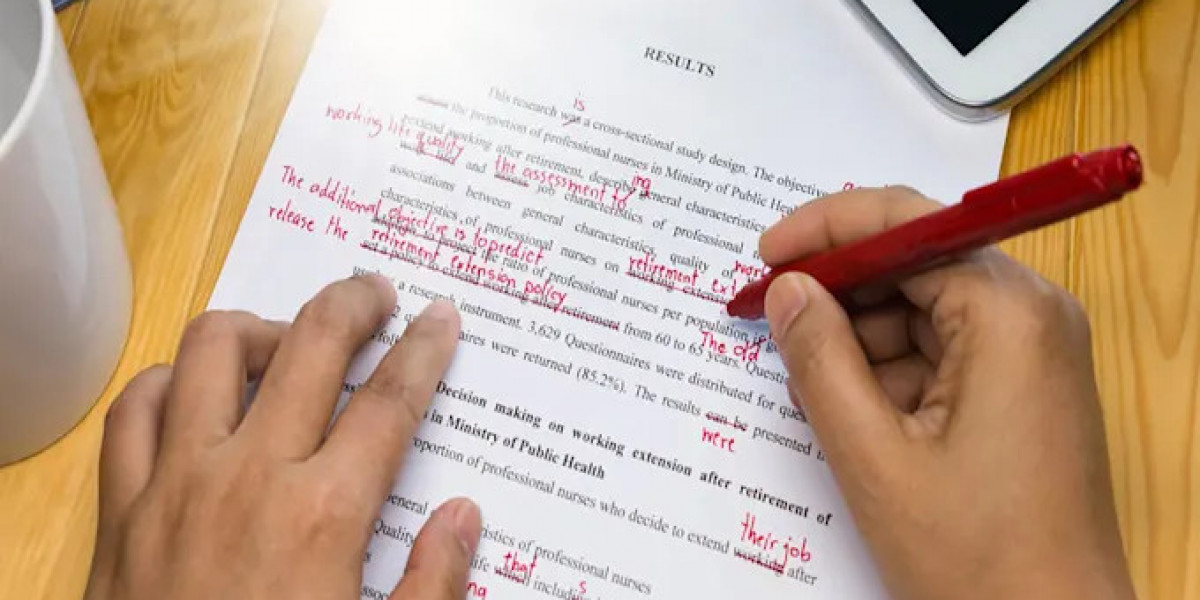

Publishing a book is a major accomplishment, but even the most talented writers are not immune to mistakes. From small typos to formatting inconsistencies, publishing errors can negatively impact a book’s credibility and reader experience. This is where professional book proofreading comes in. Proper proofreading ensures that your manuscript is polished, readable, and free from errors that could distract or confuse readers. In fact, studies show that over 70% of readers report that frequent typos or grammatical mistakes reduce their confidence in the author. Whether you are self-publishing or working with a traditional publisher, investing in proofreading is essential to protect your reputation and enhance the quality of your work.
What Is Book Proofreading?
Book proofreading is the final step in the publishing process, focusing on correcting surface-level errors before a manuscript reaches readers. Unlike editing, which addresses structure, content flow, and style, proofreading concentrates on grammar, punctuation, spelling, consistency, and formatting.
Proofreading applies to various types of books, including:
Fiction novels
Nonfiction works
Memoirs and autobiographies
Academic books and research guides
Ebooks and digital publications
Even experienced authors benefit from a professional review. According to a recent survey, over 60% of self-published authors hire a professional book proofreader to catch mistakes they may have overlooked after months of writing.
Common Publishing Errors That Proofreading Can Prevent
Professional proofreading addresses several common errors that can occur in any manuscript. These include:
1. Spelling and Grammar Mistakes
Typographical errors and incorrect grammar can distract readers and undermine credibility. Examples include commonly confused words such as “affect” vs. “effect” or “their” vs. “there.” Catching these errors ensures that your writing is professional and readable.
2. Punctuation and Syntax Errors
Misplaced commas, missing apostrophes, or awkward sentence structures can confuse readers. Proper proofreading ensures clarity and improves readability, allowing your ideas to shine without distractions.
3. Formatting Inconsistencies
Formatting errors, such as inconsistent chapter headings, page numbers, or font sizes, are common in both print and digital books. A professional proofreading process ensures uniformity, which contributes to a more polished, professional-looking publication.
4. Repetition and Missing Words
Unintentional repetition of phrases or missing words can interrupt the narrative flow and frustrate readers. Proofreading identifies these subtle mistakes, which may go unnoticed by authors after repeated drafts.
5. Minor Fact-Checking
Proofreading can also catch small factual errors, such as incorrect dates, names, or references. While not a substitute for thorough research, this attention to detail adds credibility to your book and prevents embarrassing errors.
How Proofreading Improves the Reader Experience
A polished manuscript enhances readability and strengthens the connection between author and reader. Here’s how proofreading improves the reader experience:
Clarity and comprehension: Eliminates distractions caused by typos, grammar issues, or awkward phrasing.
Professionalism: Enhances author credibility; readers take error-free content more seriously.
Flow and engagement: Smooth sentences and consistent formatting keep readers immersed in the story.
Research indicates that readers are twice as likely to abandon a book with high error density, highlighting the importance of professional proofreading for audience retention.
The Process of Book Proofreading
Book proofreading is a structured process that ensures no errors go unnoticed. The main steps include:
1. Initial Read-through
A professional book proofreader begins by reading the manuscript for glaring errors and general readability. This step ensures that major typos or formatting issues are identified early.
2. Detailed Line Editing
Each sentence is carefully reviewed for grammar, punctuation, and spelling. Line-by-line scrutiny helps catch subtle mistakes that can undermine the quality of your book.
3. Format and Style Consistency
Proofreaders check chapter headings, font sizes, spacing, and other style elements. Consistent formatting is essential, especially for ebooks or print-ready manuscripts.
4. Final Proof
The final step involves reviewing the manuscript in its intended format digital or print to catch last-minute errors and ensure the final version is polished and professional.
While software tools can assist in this process, human proofreading remains critical for accuracy, nuance, and context that automated tools often miss.
Choosing the Right Book Proofreader
Hiring the right book proofreader can make all the difference. Here are some factors to consider:
Experience in your genre: Different genres have unique requirements; a fiction novel requires different attention than a nonfiction guide.
Attention to detail: Errors can be subtle; a meticulous proofreader catches mistakes that automated tools miss.
Familiarity with style guides: Knowledge of APA, Chicago, or MLA formats ensures formatting and citation accuracy.
References and portfolio: Reviews or samples of previous work help assess the proofreader’s capability.
Professional proofreading services often include multiple rounds of review, ensuring that your manuscript is as polished as possible before publication.
Tips for Authors to Minimize Publishing Errors
Even before hiring a proofreader, authors can take steps to reduce errors:
Take breaks: Distance from your manuscript allows you to spot mistakes more effectively.
Use digital tools: Spellcheckers, grammar software, and style guides can catch common errors early.
Read aloud: Reading your work aloud helps identify awkward phrasing or repeated words.
Maintain a style sheet: Track consistent use of names, terms, formatting, and punctuation throughout your book.
By combining these practices with professional proofreading, authors can dramatically reduce publishing errors.
The Role of Proofreading in Digital Publishing
In the age of digital books, proofreading has taken on added importance. Ebooks are instantly accessible worldwide, meaning errors are immediately visible to readers. Poorly formatted or error-ridden ebooks can result in negative reviews, impacting sales and reputation.
Many authors collaborate with an ebook agency that provides comprehensive support, including proofreading, formatting, and publishing services. This approach ensures that digital books meet professional standards and are free from errors before reaching a global audience.
Conclusion
Book proofreading is an essential step in the publishing process. From catching typos and grammatical mistakes to ensuring consistent formatting and readability, professional proofreading prevents publishing errors that can undermine an author’s credibility.
Working with a skilled book proofreader ensures that every detail is polished, resulting in a professional and engaging reading experience. For digital authors, partnering with an ebook agency can further streamline the process, providing a full-service approach from proofreading to publishing.
Ultimately, investing in professional proofreading is not just about eliminating errors it’s about delivering a high-quality book that readers can trust and enjoy, establishing lasting credibility for the author.